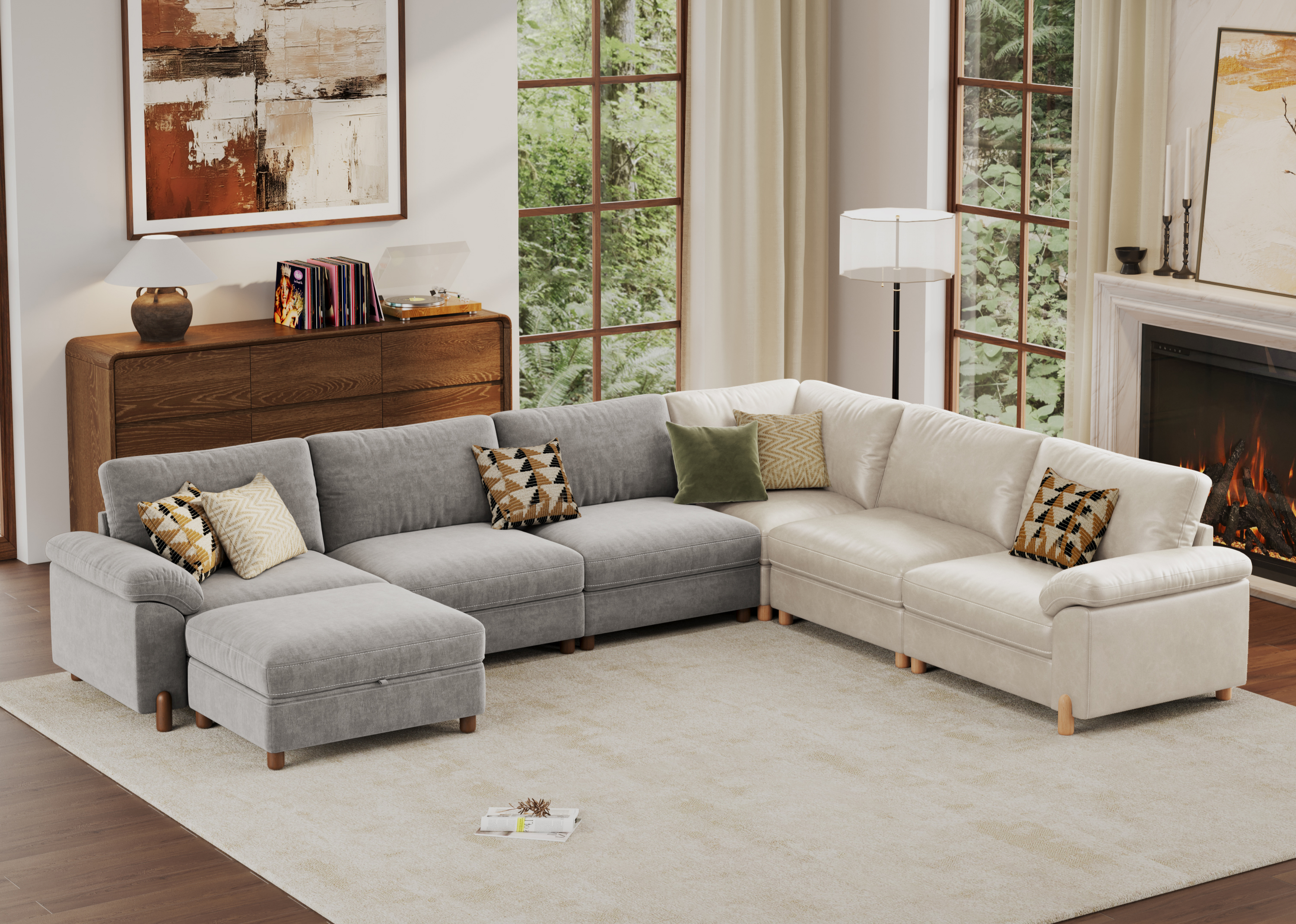
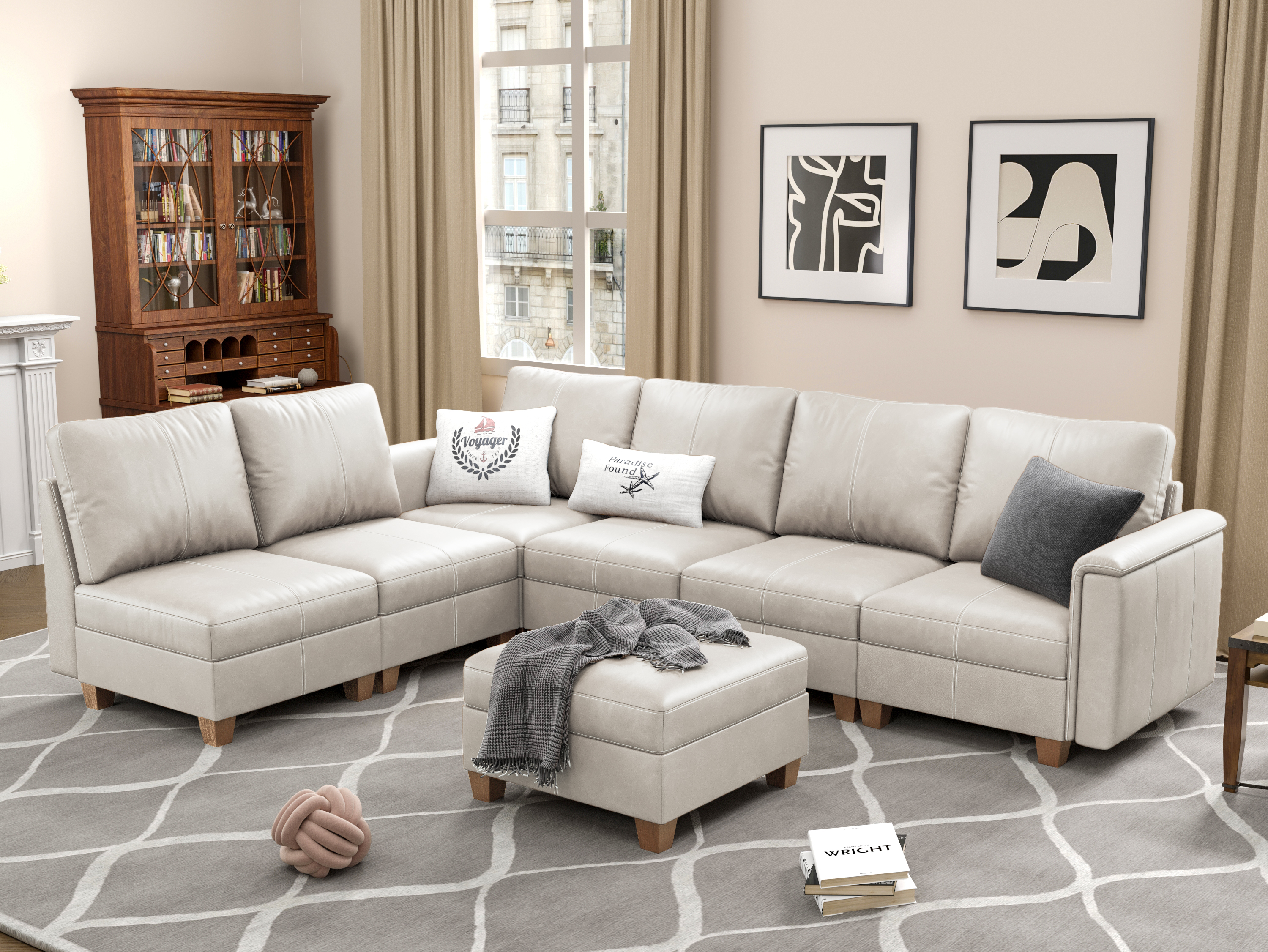
How to Style Your Space: Modular Sofa Layout Ideas for Open-Plan Living Rooms
Jul 20,2026 | SitJoy Home
How to Style Your Space: Modular Sofa Layout Ideas for Open-Plan Living Rooms
Designing an open-plan living room requires a delicate balance between functionality and flow. Modular sofas, with their inherent flexibility, serve as the ultimate tool for zoning large, multifunctional spaces. This guide explores strategic placement techniques—from floating arrangements to perimeter-hugging designs—to help you define your living area without sacrificing the airy, expansive feel of an open-concept home. Learn how to transform your living room into a cohesive, inviting, and highly efficient sanctuary for relaxation and entertainment.
.jpg?w=3500&h=2273)
Defining Your Zone: The Power of Modular Sofas
The open-plan living room is the heart of the modern American home. It is where we cook, dine, work, and unwind. However, the lack of walls can sometimes make a space feel unanchored. A modular sofa is not just a piece of furniture; it is an architectural element that acts as a room divider, delineating the "living" zone from the kitchen or dining area without obstructing sightlines.
Why Choose Modular?
Modular systems allow you to break your sofa into individual components (modules), giving you the freedom to rearrange your configuration as your lifestyle evolves. Whether you are hosting a movie night or a large holiday gathering, the modularity ensures your furniture adapts to the occasion, not the other way around.
Strategic Modular Sofa Layout Ideas
1. The Floating Island: The Ultimate Anchor
Placing your sofa in the middle of the room is the most effective way to define a living zone in an open-plan space. By pulling the sofa away from the walls, you create a "floating" island that separates the lounging area from the kitchen.
-
Pro-Tip: Add a console table behind the sofa. It provides a visual edge, creates a natural transition, and offers a perfect spot for lamps or decorative objects.
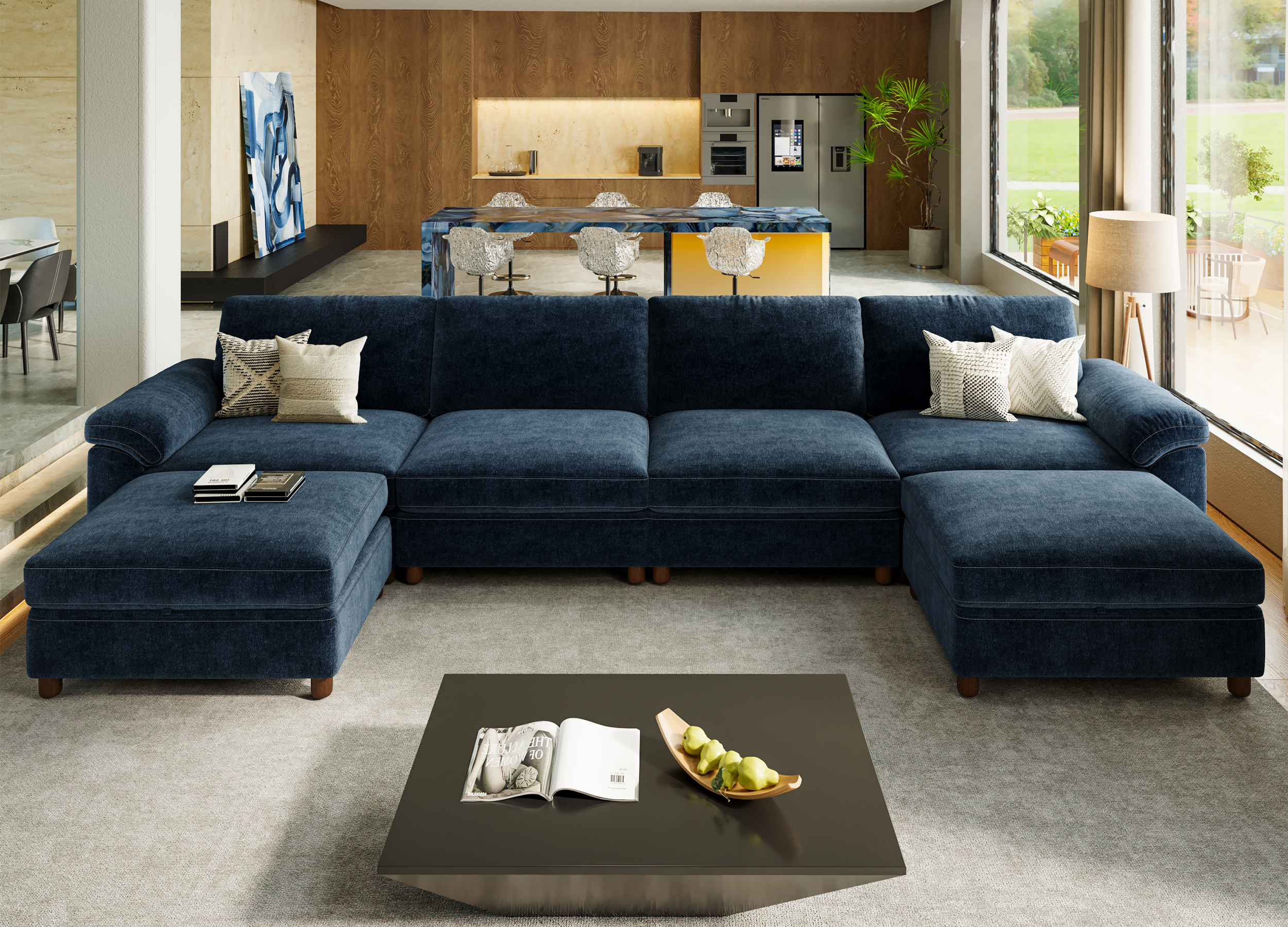
2. The L-Shaped Corner Definition
Utilizing an L-shaped sectional is a classic way to create a dedicated conversation nook. In an open-plan room, position one side of the "L" to act as a physical barrier that guides traffic flow around the seating area rather than through it.
-
Optimization: Keep the back of the sofa clean and visually appealing, as it will be visible from the kitchen or dining area.
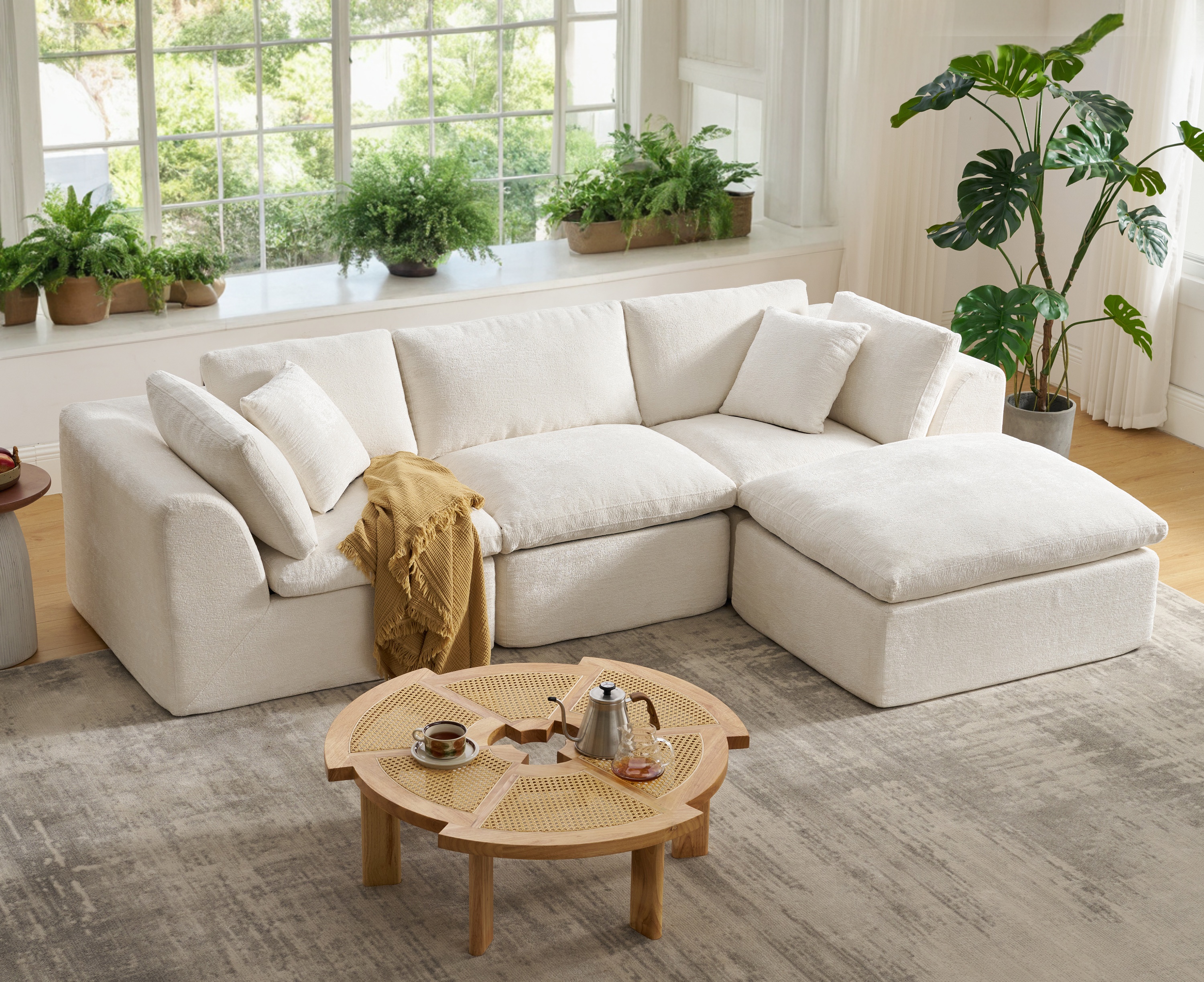
3. The U-Shaped Social Hub
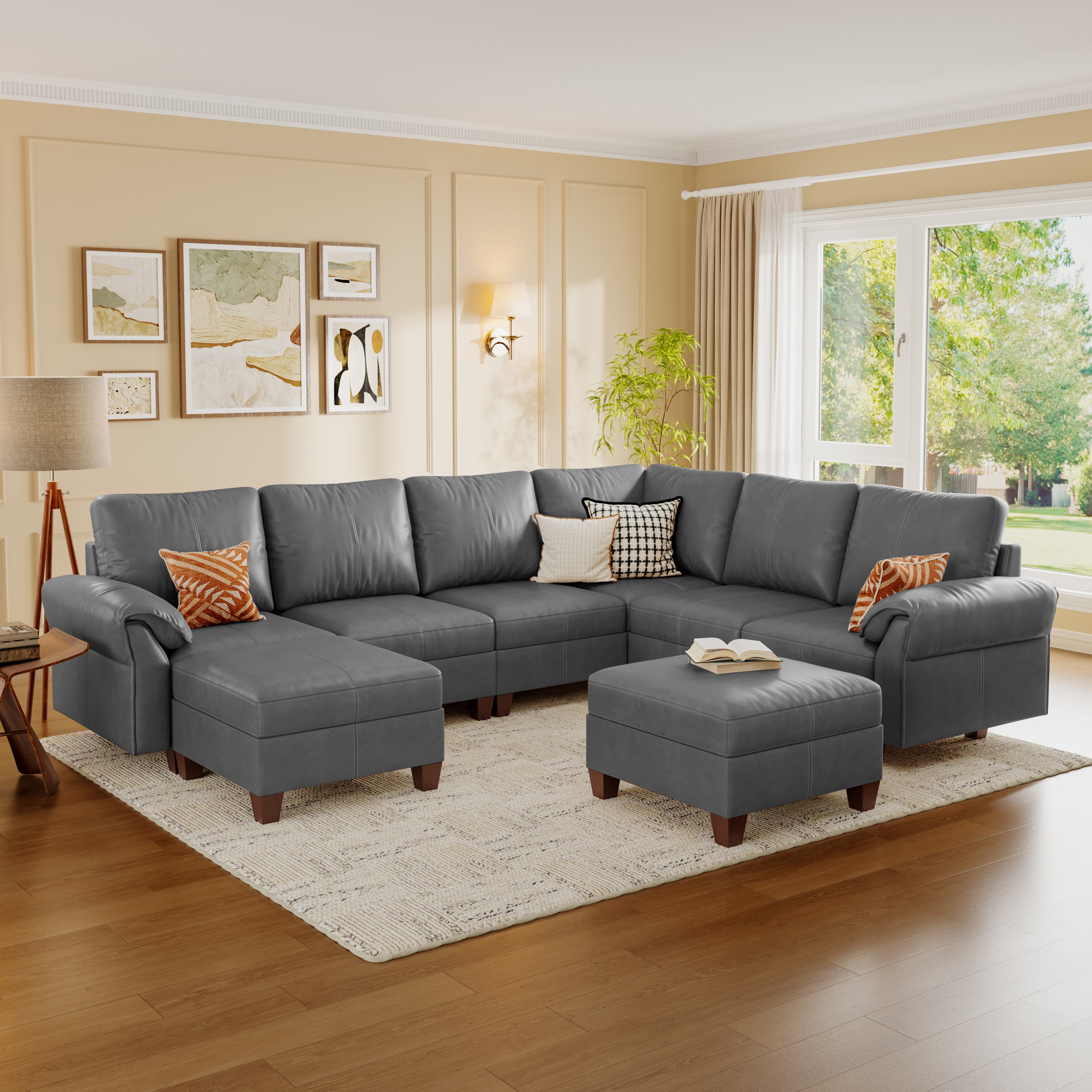
If you have a larger footprint, a U-shaped configuration is unparalleled for hosting. This layout turns the sofa into a cohesive landscape. In an open-concept home, ensure the open side of the "U" faces your focal point—be it the TV, a fireplace, or a stunning floor-to-ceiling window.
Essential Considerations for Your Layout
Balancing Traffic Flow
Never force guests to walk through the "inner circle" of your living zone to get to the kitchen. Always leave at least 30 to 36 inches of clearance for walkways around your sofa arrangement.
Scaling for the Space
One of the most common mistakes is choosing a sofa that is too small for a vast open-plan room, making it look lost. Conversely, a bulky piece in a tight open-plan space can feel claustrophobic. Use painters' tape on the floor to map out the footprint of your desired configuration before purchasing.
Expert Tips for Cohesive Design
-
Rug Placement: Always place the front legs of the sofa on your area rug to ground the space. In a large open room, the rug is essentially the "walls" of your living area.
-
Maintaining Sightlines: Ensure that your chosen modular height does not obstruct the view from the kitchen. Low-profile backs are excellent for maintaining a connected, airy atmosphere.
FAQS
Q: Can I really move my modular sofa components around by myself?
A: Yes! Most modern modular sofas are designed with lightweight yet durable internal connectors. While some units are heavier than others, the beauty of modular design is that you can tackle the repositioning in stages, moving one section at a time.
Q: Will a large modular sofa make my open-plan space look smaller?
A: Surprisingly, no. Using one large, well-placed modular piece often creates a cleaner, more organized look than cluttering a room with multiple smaller chairs or loveseats. The key is ensuring the sofa’s scale matches the proportions of your room.
Q: How do I hide the "backs" of the modules if they aren't finished?
A: If your modular sofa has unfinished backs, try placing them against a wall. If you prefer a floating layout, consider adding a tall sideboard or a long, narrow bookshelf behind the sofa to conceal the back while adding functional storage.
Q: How do I keep the modules from sliding apart?
A: High-quality modular sofas come with heavy-duty alligator clips or metal brackets that lock the sections together. If you find yours drifting, you can purchase aftermarket non-slip rug pads or heavy-duty furniture connector brackets.
Conclusion
A modular sofa offers the adaptability required for the dynamic nature of an open-plan living room. By treating your furniture as a spatial tool, you can create a home that feels both expansive and intimate. Whether you prefer a floating island or a cozy corner sectional, remember that the best layout is one that supports your daily routine while enhancing the visual harmony of your home.
Elevate Your Home Today
Are you ready to transform your open-plan living room into a masterclass of comfort and style? Browse our latest collection of premium modular sofas designed to fit every lifestyle. Shop Our Modular Collection Now and find the perfect configuration to anchor your home.
Comment