What are the main differences between modular sofas and traditional sofas?
Feb 03,2026
What are the Main Differences Between Modular Sofas and Traditional Sofas?
=================================================================================
Selecting the right sofa is one of the most important decisions you’ll make when furnishing your living space. As the centerpiece of most living rooms, your sofa reflects your style, accommodates your lifestyle, and shapes your comfort. When choosing a sofa, many find themselves torn between modular sofas and traditional sofas. But what exactly sets these two options apart? In this comprehensive guide, we’ll explore the defining features, advantages, and ideal uses of both, so you can make the best choice for your needs.
Definition and Features
**What is a Modular Sofa?**
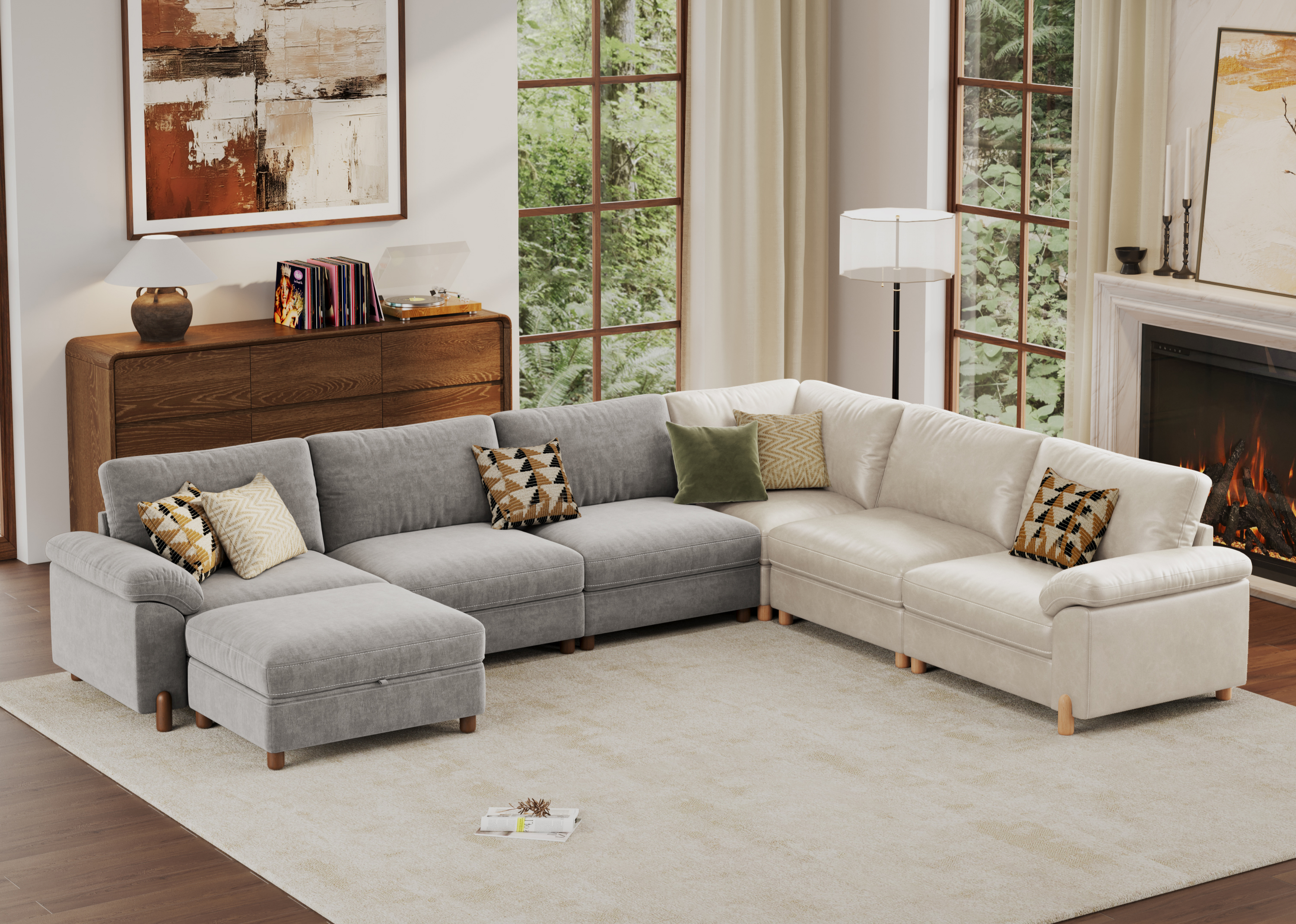
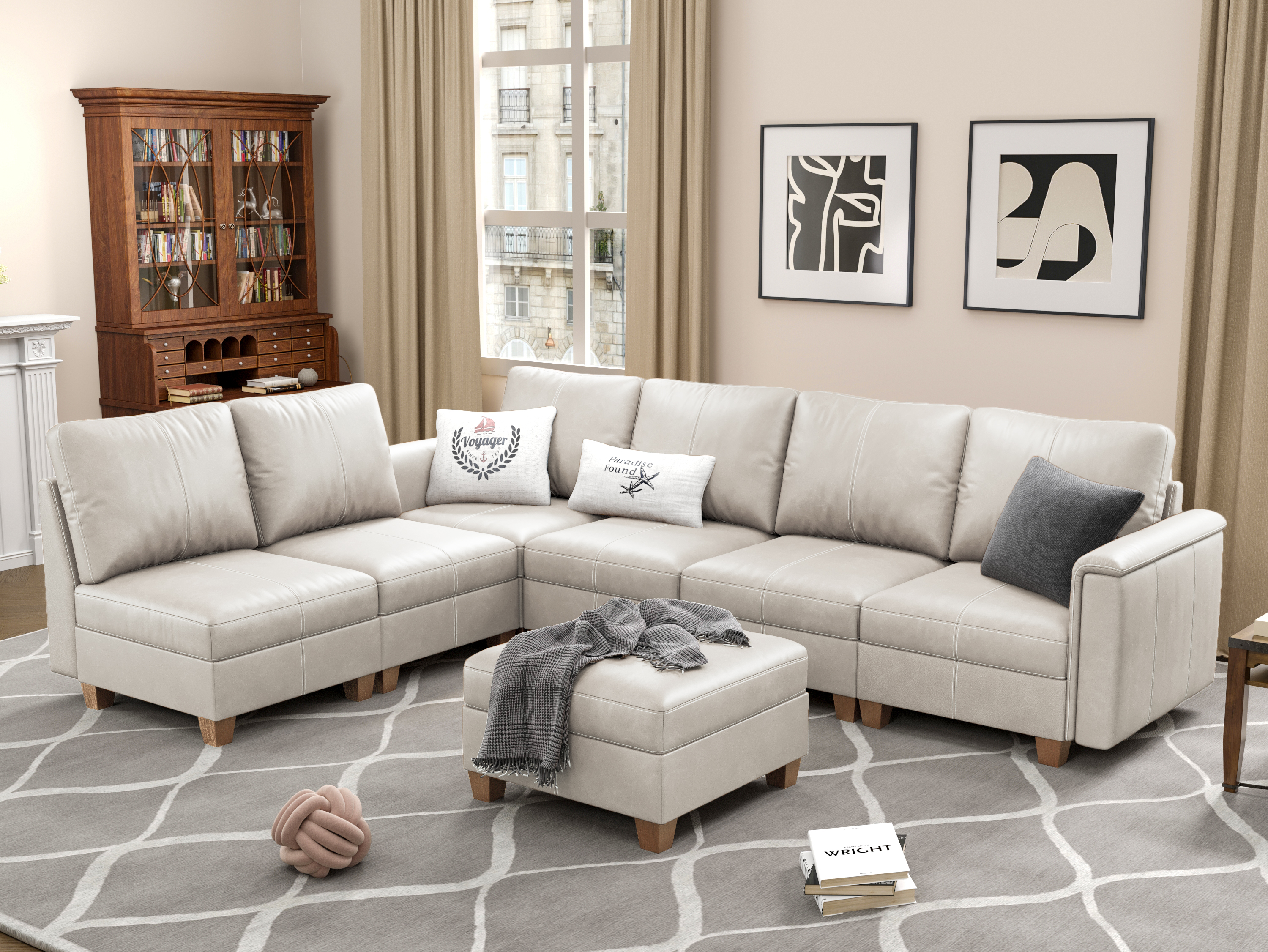
A modular sofa is a versatile, customizable seating solution composed of multiple, movable sections—known as modules. These modules can be configured in numerous ways, allowing you to adapt the shape and size of your sofa to match your room’s layout or functional requirements.
*Typical features of modular sofas include:*
- Individual seating units (such as chaise lounges, ottomans, or corner pieces)
- The ability to add, remove, or rearrange modules easily
- Designs that range from ultra-modern to cozy and casual
- Easily replaceable covers or components
**What is a Traditional Sofa?**
Traditional sofas, sometimes called stationary or fixed sofas, are built as a single, unified piece. They represent the classic approach to living room seating—reliable, sturdy, and recognizable.
*Typical features of traditional sofas include:*
- One-piece construction (typically with attached backs and arms)
- Standard sizes such as 2-seater loveseats, 3-seater sofas, or even sectionals
- Timeless aesthetics that often outlast fleeting design trends
- Commonly upholstered in long-lasting materials such as leather or fabric
Comparison of Key Differences
**1. Flexibility and Customization**
*Modular Sofas:*
Modular sofas stand out for their adaptability. If you’re someone who loves to refresh your living space or adapt to changing needs (growing families, entertaining guests, or moving homes), modular sofas provide unmatched flexibility. Arrange them as a compact loveseat, a sprawling sectional, or separate into individual chairs as required. Many modular designs also offer swappable covers to match seasonal moods or style updates.
*Traditional Sofas:*
Traditional sofas, on the other hand, are largely fixed in shape and style. Once placed in a room, they’re not intended to change configuration. If you prefer consistency and don’t foresee regular rearrangement, a traditional sofa delivers dependability.
**2. Space Solutions**
*Modular Sofas:*
Modern city living often means contending with limited floor space. Modular sofas shine in small to medium spaces, as you can tailor their footprint precisely to your needs. Add or remove modules as your space grows or shrinks, and seamlessly fit even awkwardly shaped rooms.
*Traditional Sofas:*
Traditional sofas are ideal for well-sized or open-plan living rooms where you want to showcase a substantial, unified piece of furniture. Due to their fixed shape, they might not be the best fit for unconventional room layouts or spaces prone to frequent changes.
**3. Style and Design Variety**
*Modular Sofas:*
While modular sofas are synonymous with contemporary interiors, they now come in styles ranging from minimalist to plush, mid-century modern to Scandinavian cool. With endless combinations of fabrics, colors, and accessories like ottomans or chaise extensions, you can let your imagination run wild.
*Traditional Sofas:*
Traditional sofas are the gold standard for timeless elegance. They often boast refined lines, classic silhouettes, and formal upholstery details like tufting, nailhead trims, or rolled arms. If you want a look that never goes out of style, a traditional sofa is the answer.
**4. Assembly and Relocation**
*Modular Sofas:*
If you dread moving heavy furniture, a modular sofa’s individual pieces are a blessing. Each unit is relatively lightweight and easy to maneuver through tight doorways, upstairs, or elevators. Assembly is typically straightforward, and you won’t need specialized tools.
*Traditional Sofas:*
Moving a traditional sofa can be a challenge—especially with larger models that may struggle to fit through narrow hallways or doors. However, the upside is that once placed, they offer a solid, stable feel with no risk of pieces separating unintentionally.
**5. Cost and Longevity**
*Modular Sofas:*
Pricing for modular sofas varies widely, depending on brand, material, and the number of modules. While the initial investment may be higher than a basic sofa, the ability to expand or update only parts of your furniture can save money in the long run. Replacement cushions, covers, or modules extend the life of your sofa and make it more sustainable.
*Traditional Sofas:*
Traditional sofas can offer exceptional durability, especially if made by reputable brands with high-quality craftsmanship. While they may eventually show signs of age, reupholstering or repairing a sturdy frame can keep your investment looking sharp for years.
Pros and Cons Summary
**Advantages of Modular Sofas:**
- Highly customizable to fit any space or need
- Easy to move, assemble, and update
- Great for evolving lifestyles or frequent redecorating
- Wide variety of contemporary styles
**Disadvantages of Modular Sofas:**
- May not have the heavy, stable feel some prefer
- Gaps between modules can occur if not designed well
- Can sometimes be more expensive due to customization options
**Advantages of Traditional Sofas:**
- Solid, unified structure offers a classic “sofa feel”
- Timeless designs that complement traditional homes
- Usually more affordable as a one-time purchase
**Disadvantages of Traditional Sofas:**
- Fixed shape limits flexibility
- Replacing or updating usually requires purchasing a whole new piece
- Can be challenging to transport or fit into unconventional spaces
Choosing the Right Sofa for Your Home
Before making your final decision, consider the following:
- **Space:** How much room do you have, and do you anticipate moving or rearranging often? Modular sofas fit evolving spaces; traditional ones excel in stable settings.
- **Lifestyle:** Do you entertain guests, have a growing family, or like to redecorate yearly? Modular sofas keep up with change.
- **Style Preferences:** Is your heart set on a trendy, modern vibe or do you prefer a timeless, classic look?
- **Budget:** Think not only about the upfront cost, but also long-term value and maintenance.
- **Practicality:** If you’ll be moving, a modular is easier to transport. If you want a lasting investment, a high-quality traditional sofa is a reliable bet.
Conclusion
Ultimately, the choice between modular sofas and traditional sofas comes down to your unique needs and taste. If you value flexibility, personalization, and future-proofing your investment, a modular sofa is the smart and adaptable choice. But if you prefer the stability, simplicity, and enduring charm of a classic look, a traditional sofa might suit you better.
By weighing the key differences outlined above, you’ll be able to select a sofa that not only fits your home but also your lifestyle for years to come. Happy sofa shopping!
Comment
-0.jpg?w=2000&h=2000)